

The Most Expensive Thing You Can Look Is Yourself
The aesthetic world is changing. We no longer want to look "done". We want to look well. This edition of The Edit explores the rise of the natural beauty movement, the science behind treating skin from within, and why Jalupro mesotherapy is the treatment I chose to sit at the heart of Skinor, Chelsea.

SKINOR EDIT - SKIN - TRENDS - TREATMENTS - 5 MIN READ
What if the most radical thing you could do with your face right now was absolutely nothing (at least, nothing that showed)?
There's a quiet revolution happening in aesthetics. Not the dramatic kind, not the kind you'd clock across a room or screenshot for a group chat. The kind where someone asks what you've been doing differently, and the honest answer is sleeping better, drinking more water, actually investing in your skin, and every single word of that is true.
There has never been more interest in skin than there is right now.
Not skincare. Skin. The biology of it. The longevity of it. How to protect it, strengthen it, make it last. My clients walk through the door having already researched the treatment, already read the ingredient list, already asked the question on three different platforms.
This is the shift. And I love it. It means the conversation I get to have at Skinor has completely changed.
Because while the demand for treatments is at an all-time high, what people are demanding has quietly, meaningfully evolved. And it's the most interesting thing I've seen happen in aesthetics in the last 20 years.
The Look Everyone's Chasing (And Why It's Different This Time)
We no longer want to look "done". We want to look well.
This isn't about doing less. It's about doing smarter. The ask has changed. Where once people came in wanting to transform a feature, now they come in wanting their skin to function better, to hydrate from within, to stay resilient, to hold its structure over time. The conversation has moved from aesthetics to skin health. And the two, I'd argue, were always the same thing.
Radiant skin. Dewy, alive, rested. Skin that looks like it's been taken care of, properly, thoughtfully, from the inside out. This isn't just a trend cycle. It's a philosophical shift in what beauty is actually for.
Why I Built Skinor Around This
I built Skinor around this conviction long before it became the conversation everyone is having. I've always believed the goal isn't to change a face, it's to restore it. Skin that's genuinely healthy has a quality that no filler alone can replicate. A luminosity. A bounce. A presence. It's not a look you can fake, and it's the most aspirational thing in a room.
When I chose the treatments to offer at Skinor, I wasn't following the market. I was following a conviction: that the finest version of your skin is your own skin, functioning at its best.
It's why the clinic's menu reads differently to others. Every treatment has been created to work with the skin's own biology. Nothing added that doesn't belong there. Nothing that shortcuts the skin's intelligence.
The treatment that best embodies this philosophy right now? Mesotherapy. Specifically, the Nutritive Booster with Jalupro.
“Skin that’s genuinely healthy has a quality that no filler or surface treatment alone can replicate. That’s what I wanted Skinor to be about from day one”
What Is Mesotherapy, Actually?
Strip away the clinical name and the concept is elegantly simple: microinjections that deliver exactly what your skin is missing, directly to the layer of tissue where it can be used.
No barriers. No guesswork about absorption. Just targeted nutrition, delivered precisely where the skin needs it.
At Skinor, two formulations are available, chosen based on your skin's primary concern. Jalupro is selected where repair is the priority. If your skin feels depleted, if fine lines have crept in quietly, if you've noticed a flatness to your complexion that didn't use to be there. Jalupro addresses the structural cause rather than masking the symptoms.
Its active complex works by stimulating your skin's own collagen synthesis. The result isn't imposed on your face. It grows from within it.
FOUR THINGS JALUPRO DOES
i Deep hydration from within
Real, cellular hydration that changes the quality of your skin, not surface moisture that disappears by lunchtime.
ii Collagen & elastin stimulation
Firmer, bouncier skin, the kind that has a natural spring when you press a finger against your cheek.
iii Fine lines, softened naturally
When the underlying structure is restored, the surface smooths itself.
iv Brighter, more even skin tone
Radiance isn't a filter. It's what happens when your skin is genuinely working well.
RECOMMENDED SCHEDULE
Four sessions, 3–4 weeks apart. Gradual. Intentional. Cumulative.
Your skin doesn't transform. It recovers.
A Note on Timing
One of the most common things I hear from clients is: I wish I'd started sooner.
The truth is there's no wrong time or age to begin. For younger clients, Jalupro is preventative, it maintains the skin's structural integrity before depletion sets in. For clients who've noticed the shift, it's restorative. Either way, the investment is the same: in your own skin, on your own terms, for the long run.
Ready to See What Your Skin Is Capable Of?
No pressure. No agenda. Just an honest conversation about your skin.

Facial Psoriasis: What's Really Happening Beneath the Surface
Facial psoriasis is widely misunderstood. It is not simply a skin condition. It is a chronic autoimmune condition that affects the skin most visible to the world, and with it, confidence, wellbeing and daily life. This is what is really happening, and what genuinely helps.

Psoriasis is one of the most common chronic skin conditions in the UK, yet it remains one of the most misunderstood. Often dismissed as a cosmetic concern, it is in fact an autoimmune condition, one that affects not just the skin, but quality of life in ways that are rarely visible in the consultation room.
When psoriasis appears on the face, the impact is particularly acute. This is the skin that faces the world first.
What Facial Psoriasis Actually Is
Psoriasis occurs when the immune system triggers an accelerated skin cell cycle. Cells that would normally take weeks to mature and shed do so in days, resulting in the build-up of raised, inflamed patches that can appear red, pink, or silvery depending on skin tone.
On the face, psoriasis most commonly affects the eyebrows, the skin between the nose and upper lip, the hairline, and the areas around the ears. It can also appear on the eyelids, where the skin is particularly delicate and conventional treatments may not be suitable.
It is frequently misidentified. Facial psoriasis shares some visual characteristics with seborrhoeic dermatitis, rosacea and eczema, which is why accurate diagnosis by a medical professional matters before beginning any skincare or treatment protocol.
The Mental Health Dimension
Living with a visible, chronic skin condition takes a toll that goes beyond the physical.
Research consistently links psoriasis with elevated rates of anxiety, depression and social withdrawal. When the skin affected is on the face, the psychological impact tends to be more significant. Covering up is less straightforward. Flare-ups are harder to manage around work, social commitments and daily life.
Skin confidence, the quiet sense of ease in one's own appearance, is something many of us take for granted until it's disrupted. For those managing facial psoriasis, that disruption can be constant.
This is something we take seriously at Skinor. Treating the skin is one part of what we do. Understanding the experience behind it is another.
What to Avoid
Facial skin is thinner and more reactive than skin elsewhere on the body, and the wrong approach can aggravate psoriasis significantly.
A few things worth noting for anyone managing the condition:
Harsh exfoliants and high-strength active ingredients, particularly those formulated for oily or acne-prone skin, can compromise the skin barrier further and trigger flare-ups. Fragranced products, alcohol-based toners and anything designed to strip or resurface should be approached with caution.
Heat is a common trigger. Very hot water, steam rooms and anything that causes prolonged flushing can worsen inflammation.
Stress has a well-documented relationship with psoriasis flares. Managing the skin and managing overall wellbeing are rarely separate conversations.
If in doubt, less is more. A stripped-back routine built around barrier support is almost always a safer starting point than a complex multi-step protocol.
The Skinor Approach
At Skinor, we work with psoriasis-prone skin using treatments selected for their clinical evidence, their gentleness, and their ability to calm rather than challenge already-reactive skin.
Celluma LED Light Therapy
LED light therapy has a growing body of clinical evidence behind it for inflammatory skin conditions. Celluma delivers low-level light at specific wavelengths that penetrate the skin at a cellular level, helping to reduce inflammation, support the skin's natural repair processes and calm reactive tissue without any heat, pressure or downtime.
For psoriasis-prone skin, it offers something that many treatments cannot: genuine therapeutic benefit without the risk of aggravating a sensitive condition. Sessions are quiet, non-invasive, and well-tolerated even during a flare.
The Skin Harmony
The Skin Harmony is our in-clinic treatment designed for sensitised, reactive and compromised skin. Rather than working against the skin's current state, it works with it, focusing on barrier repair, deep calming and restoring equilibrium to skin that has been under sustained stress.
For clients managing facial psoriasis, it provides a considered, expert-led approach to in-clinic care that doesn't ask the skin to tolerate what it currently cannot.
Throughout August, clients booking The Skin Harmony can add the ADD-ON LED Light Therapy complimentary, making it possible to combine both approaches in a single visit. LED light therapy addresses inflammation at a cellular level; The Skin Harmony supports the skin's surface condition and overall resilience. It is a pairing we recommend for psoriasis-prone skin, and this month it is available together. Further details are on our Current Offers page.
A Note on Managing Expectations
Psoriasis is a chronic condition. It has periods of remission and periods of flare, and no single treatment, however good, changes that fundamental picture.
What consistent, appropriate treatment can do is reduce the frequency and severity of flares, support the skin barrier between episodes, and give the skin the best possible foundation to function well.
If facial psoriasis is affecting your skin or your confidence, we'd invite you to book a consultation. We'll assess your skin, discuss your history and put together a plan that fits where your skin is right now.
This article is intended for informational purposes and does not constitute medical advice. If you are experiencing symptoms consistent with psoriasis, please consult a GP or dermatologist for diagnosis and medical management.
References and further reading:
NHS Inform. Psoriasis — symptoms, causes and treatment.
A clear, accessible overview of the condition written for a general audience. A useful starting point for anyone newly diagnosed or looking to understand the basics.
www.nhsinform.scot/illnesses-and-conditions/skin/psoriasis
The Psoriasis Association. Mental health and psoriasis.
The UK's leading psoriasis charity offers patient-friendly information on the emotional and psychological impact of living with the condition, written with lived experience at its centre.
www.psoriasis-association.org.uk/your-stories/mental-health

Sun, Skin and the Truth About Pigmentation
Sunlight isn't the problem. Overexposure is. A closer look at what UV exposure means for pigmentation-prone skin, and the protocol we recommend for keeping it in check.

Sunlight plays an essential role in human health. Sensible exposure supports vitamin D production, immune function and a healthy circadian rhythm.
Yet the conversation around sun exposure tends to polarise. Sunlight is cast as either entirely beneficial or entirely harmful. The truth sits in between.
The issue is not sunlight. The issue is overexposure.
The Science of UV Damage
Ultraviolet radiation accumulates over a lifetime. Excessive exposure contributes to premature skin ageing, collagen degradation, hyperpigmentation, DNA damage and a heightened risk of skin cancer.
Importantly, UV exposure does not need to cause sunburn to alter the skin at a cellular level. For those prone to melasma or post-inflammatory hyperpigmentation, even moderate exposure can trigger excess melanin production.
SPF: Essential, Not Infinite
Daily sunscreen remains one of the most effective tools for limiting UV damage. But no sunscreen blocks all ultraviolet radiation. Protection depends on sufficient application, regular reapplication and sensible sun habits alongside it.
Research points to a pattern known as risk compensation: people often spend longer in the sun once they feel protected by SPF. The result can mean just as much cumulative exposure, not less.
The most effective approach pairs sunscreen with shade, protective clothing and avoiding peak UV hours.
Why Pigmentation Worsens in Summer
Hyperpigmentation develops when melanocytes overproduce melanin in response to UV radiation, inflammation, hormones and heat. This is why pigmentation tends to deepen, spread or resist treatment during periods of higher sun exposure.
Managing it well calls for a combination of professional treatment, targeted homecare and consistent photoprotection.
The Skinor Approach
For clients concerned with uneven tone and pigmentation, we often recommend BioRePeel Pigment Control as part of a personalised plan. This advanced peel supports skin renewal and helps fade discolouration with minimal downtime.
To maintain results, we may recommend a homecare protocol built around:
ALLSKIN MED Pigment Control Serum — a multi-action brightening serum that helps regulate melanin production and supports a more even complexion.
ALLSKIN MED Pigmentation Oral Capsules — nutritional support formulated to complement topical pigmentation management and antioxidant protection.
ALLSKIN MED Retinol Pigment Control Emulsion — a targeted evening treatment that encourages cellular renewal and supports a more uniform tone.
Heliocare 360° Pigment Solution Fluid SPF50+— broad-spectrum daily protection designed for pigmentation-prone skin, essential for preventing recurrence and protecting results.
The Takeaway
Sunlight is not something to fear. It is something to respect.
Moderate exposure offers real benefits. Excessive exposure carries measurable risk. Understanding the difference allows us to enjoy daylight while protecting the long-term health and appearance of skin.
If pigmentation is a concern, book a consultation. We will assess your skin and build a treatment and homecare plan suited to you.

Summer Skin. Less Is More.
Summer skin has its own logic. Here's how to wear it well.
Summer skin has its own logic.
It's not about adding more — more products, more steps, more coverage. It's about editing down to what works and wearing it well. Lightweight layers over heavy creams. Breathable hydration over barrier-blocking formulas. SPF as a daily non-negotiable, not an afterthought.
The goal is skin that looks like skin. Fresh, calm, softly luminous — not filtered, not done, not trying too hard. Sun-kissed in the most refined sense of the word.
Swap heavy textures for lighter ones as the temperature rises. Keep your routine minimal but considered. Let your skin breathe.
The clients who look their best in summer are the ones who've been quietly consistent all year. Good skin in July starts in January — and it starts with protection.
Preparing your skin for summer? Book a consultation and we'll build a plan.

The Skin Quench
A seasonal reset for skin that feels depleted, tight, or flat.
Some skin just needs to drink.
After months of central heating, wind, and the kind of dullness that no serum quite fixes, The Skin Quench is a seasonal reset — designed specifically for skin that feels depleted, tight, or flat.
It begins with gentle exfoliation to smooth away dryness and congestion, followed by a concentrated infusion of vitamins, peptides and intensive hydration. The result is skin that looks visibly brighter, feels plumper, and sits differently in the light.
Not a standard facial. A considered response to what your skin actually needs right now.
60 mins · £165 Course of 4 · £594
Book The Skin Quench →
SPF Is Not Optional
The single most effective thing you can do for your skin — every day, without exception.
May is Skin Awareness Month. And if there's one thing worth talking about, it's the habit that makes everything else work.
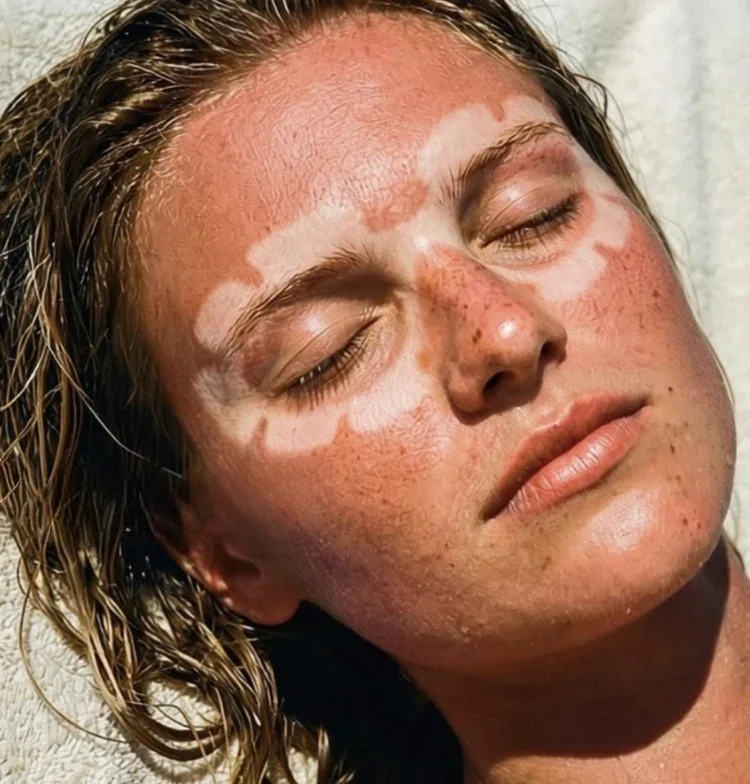
SPF is not a trend. It's not a seasonal addition or a nice-to-have. It's the single most effective thing you can do for your skin every day — protecting against premature ageing, pigmentation, and long-term damage that no facial can undo.
Think of it as the quiet essential. Effortless, non-negotiable, always working behind the scenes. The clients whose skin ages most gracefully are rarely the ones with the most complex routines. They're the ones who've worn SPF without exception.
Daily protection keeps your glow fresh, even, and future-proof. It's not about doing more — it's about choosing well.
Heliocare products are available in clinic.